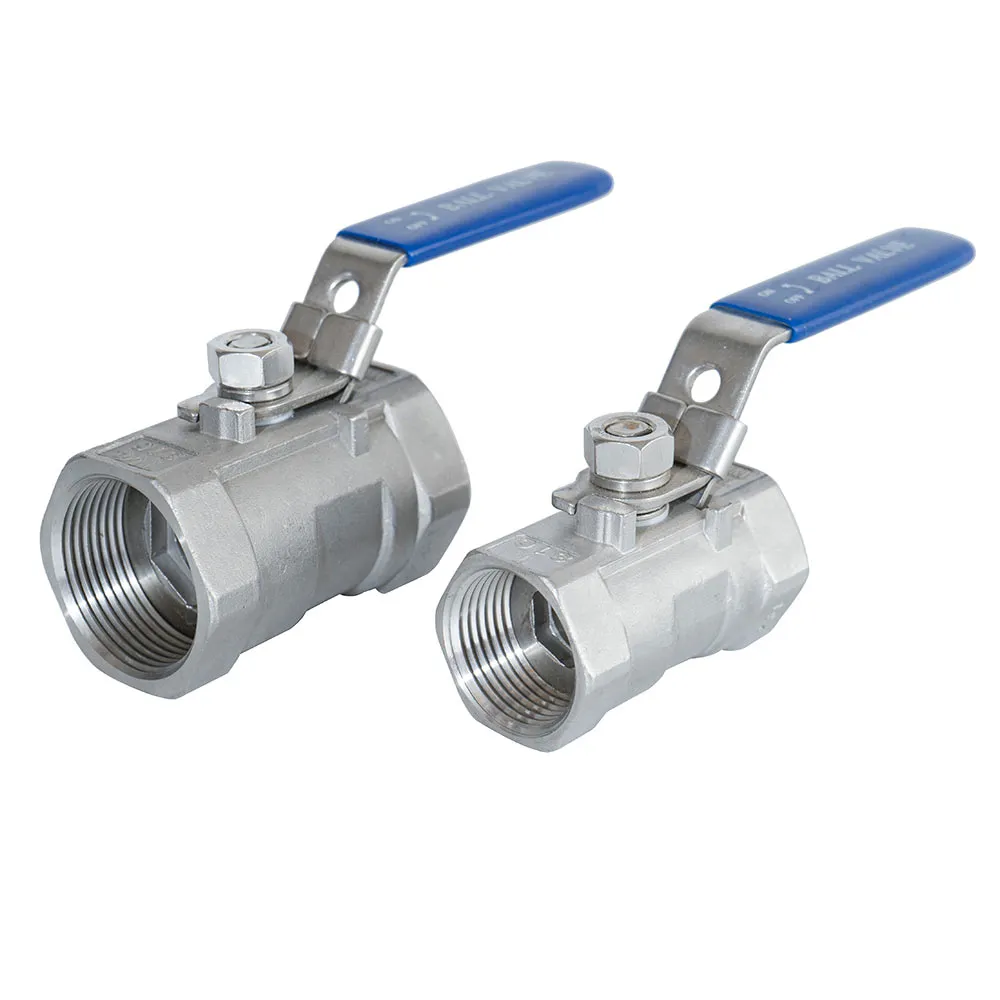
types of ball valves and their functions
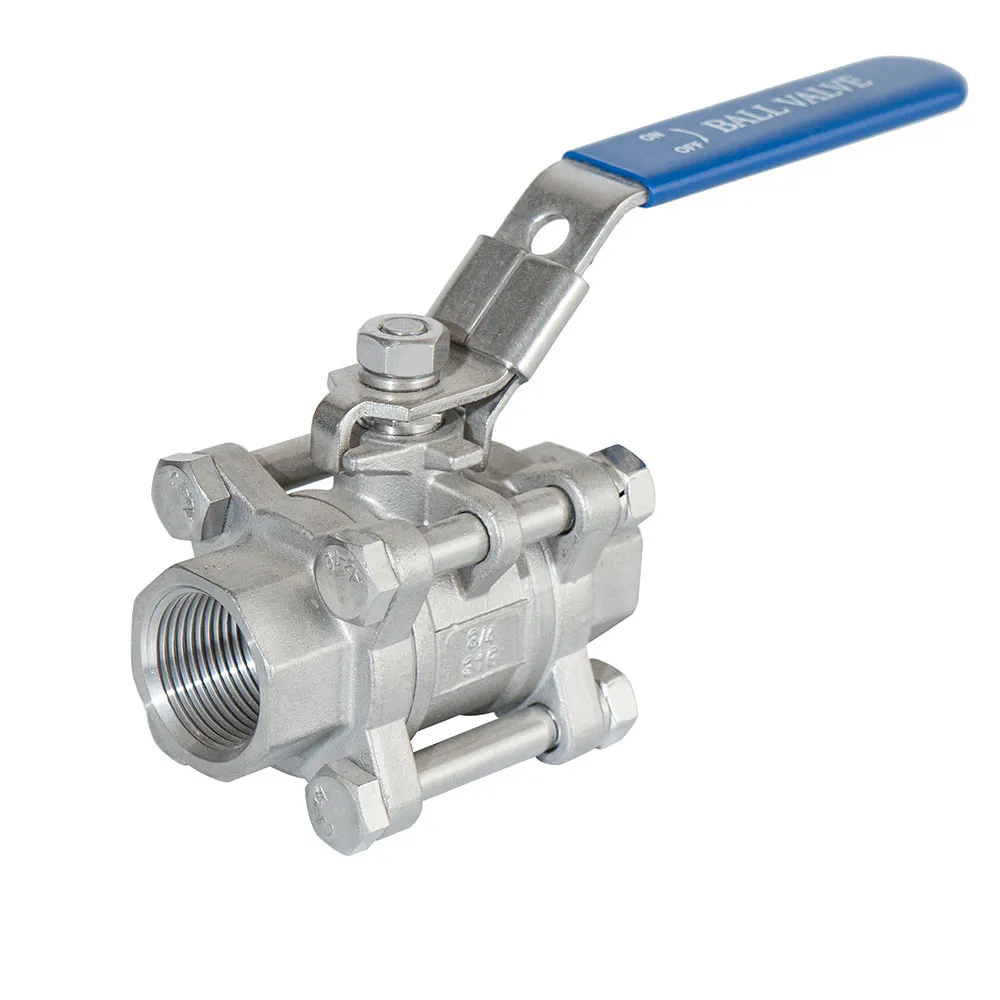
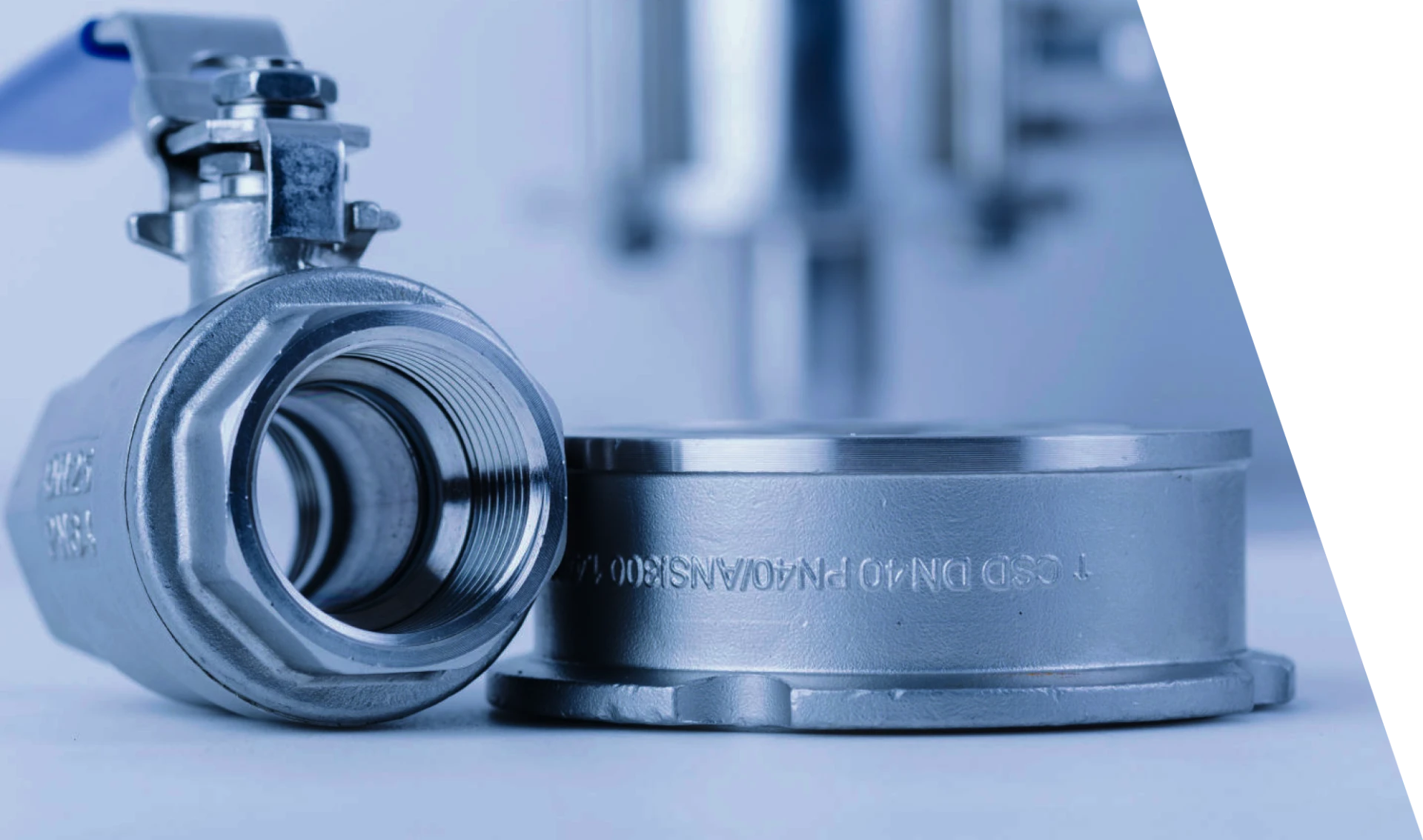
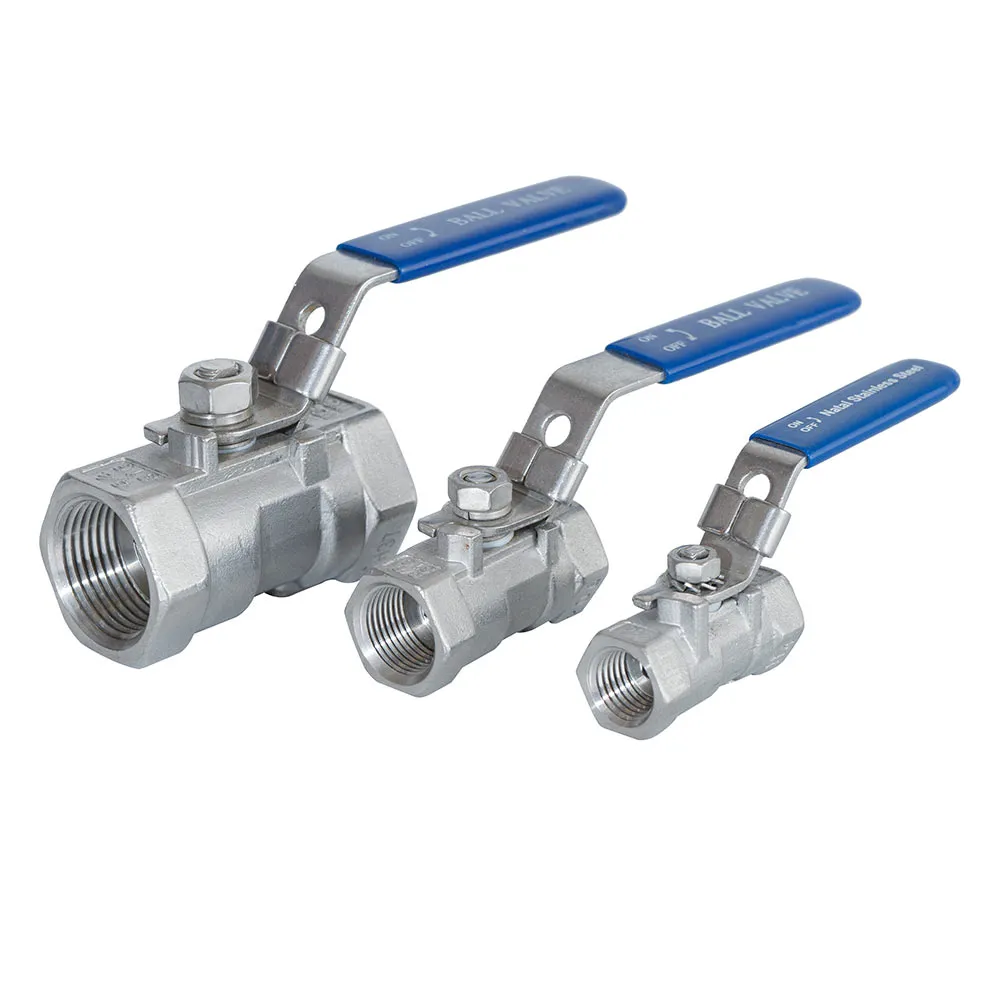
The Indispensable Role of Mini Ball Valves 1/4 in Modern Industrial Applications In the intricate world of fluid control systems, precision, durability, and a compact design are not merely advantageous but often paramount. Among the vast array of valve types, the mini ball valve 1 4 stands out as a critical component, enabling efficient and reliable flow management across diverse industrial and commercial sectors. These seemingly small yet powerful devices are meticulously engineered to handle a wide variety of media, including water, gases, oils, and various chemicals. Their compact form factor makes them an indispensable asset in small-scale applications and complex assemblies where every inch of space is valuable, and precise, instantaneous control is essential. The increasing global adoption of these valves underscores a growing market demand for miniaturized components that deliver uncompromising performance and exceptional longevity, even under demanding operational conditions. The market for compact fluid control solutions is in a state of continuous evolution, primarily driven by rapid advancements in industrial automation, the pervasive integration of Internet of Things (IoT) devices within manufacturing processes, and the escalating complexity of modern pneumatic and hydraulic systems. This dynamic environment necessitates the development of valves that are not only inherently small but also exceptionally robust, capable of reliably withstanding harsh operating pressures, temperatures, and aggressive media. The 1 4 inch mini ball valve , characterized by its efficient quarter-turn operation and dependable sealing mechanism, perfectly addresses these contemporary industrial requirements. It facilitates seamless integration into intricate machinery and sophisticated systems that demand tight spatial constraints alongside highly accurate and responsive flow control. As industries move towards more integrated and efficient architectures, the role of these specialized valves becomes ever more central. This comprehensive guide aims to provide B2B decision-makers and technical personnel with an in-depth understanding of the technical intricacies, exemplary manufacturing excellence, diverse application scenarios, and prevailing market trends surrounding these essential valves. We will leverage authoritative industry insights, detailed technical specifications, and comparative data to highlight the superior performance, strategic advantages, and long-term value offered by high-quality mini ball valve 1 4 solutions. Our goal is to empower informed procurement and engineering decisions that lead to optimized system performance and reduced operational overhead. Unpacking the Technical Specifications and Performance Parameters Understanding the core technical specifications and their implications for a mini ball valve 1 4 is absolutely crucial for proper selection, optimal system integration, and ensuring long-term operational reliability. These compact valves are primarily characterized by several key parameters, including their nominal size, maximum operating pressure rating, permissible temperature range, specific material construction, and the type of end connections. For instance, a commonly encountered variant is the 1 4 npt mini ball valve , where "1/4" signifies the nominal diameter in inches, and "NPT" (National Pipe Taper) denotes a widely adopted thread standard for secure, leak-tight connections prevalent in North America. Each of these specifications directly impacts the valve's suitability for a particular application environment. Key Specifications Table: Standard Mini Ball Valve 1/4 Parameter Typical Range/Value Remarks Nominal Size 1/4 inch (DN8) The internal diameter of the valve, often expressed in inches or DN (Diamètre Nominal) in metric systems. Body Material Brass (CW617N, C37700), Stainless Steel (304, 316), Carbon Steel Critical for media compatibility, corrosion resistance, and mechanical strength. Stainless steel 316 offers superior corrosion resistance. Ball/Stem Material Chrome-plated Brass, Stainless Steel (304, 316) Ensures smooth, low-friction operation and resistance to chemical attack. Seat Material PTFE (Teflon), RPTFE (Reinforced PTFE), EPDM, Viton Dictates sealing effectiveness, temperature limits, and chemical compatibility. PTFE provides broad chemical resistance and low friction. Max. Operating Pressure Typically 600 PSI WOG (Water, Oil, Gas) / 40 Bar; up to 1000 PSI for high-pressure designs. The maximum safe pressure the valve can withstand at ambient temperatures. Higher pressure ratings are available for specialized applications. Operating Temperature Range -20°C to 150°C (-4°F to 302°F) for standard PTFE seats; wider ranges with specialized seat materials. Directly dependent on the chosen seat and body materials. Exceeding limits can lead to material degradation and leakage. End Connections NPT, BSPT, BSPP, Compression, Push-to-Connect NPT (National Pipe Taper) is standard in North America; BSP (British Standard Pipe) is common globally. Bore Type Full Port or Reduced Port Full port minimizes pressure drop; reduced port is more prevalent in highly compact designs. Compliance Standards ISO 9001, CE, RoHS, ASTM, ASME B16.33, NSF/ANSI 61 (for potable water) Ensures adherence to international quality management, safety, and compatibility benchmarks. The robust and reliable performance of a 1 4 inch mini ball valve is directly influenced by the precise combination of these technical parameters. For instance, in applications involving highly corrosive media or elevated temperatures, selecting a stainless steel valve with high-performance PTFE or PEEK seats is not just recommended but crucial. This specific material pairing ensures the long-term integrity of the valve, prevents premature failure, and guarantees leak-free operation, thereby contributing to system safety and efficiency. The pressure rating, often specified as WOG (Water, Oil, Gas) or CWP (Cold Working Pressure), explicitly indicates the maximum pressure the valve can safely withstand at ambient temperatures without compromising its structural integrity or sealing capabilities. A thorough understanding of these nuanced technical aspects is absolutely fundamental for engineers, procurement managers, and system designers to ensure that the chosen mini ball valve 1 4 aligns perfectly with the precise operational demands and environmental conditions of the intended application. Excellence in Manufacturing: The Journey of a Mini Ball Valve 1/4 The journey from raw material to a high-performance mini ball valve 1 4 is a profound testament to precision engineering, advanced manufacturing methodologies, and rigorous, multi-stage quality control. Reputable manufacturers adhere to a meticulously defined, multi-stage production process, ensuring that each individual valve not only meets but often exceeds stringent international industry standards for durability, flawless functionality, and paramount safety. This meticulous and tightly controlled manufacturing process is a cornerstone, contributing significantly to the valve's inherent reliability, consistent performance, and remarkably extended service life, even when deployed in the most demanding and critical operational environments. Detailed Manufacturing Process: A Step-by-Step Overview 1. Material Selection and Strategic Sourcing: The absolute foundation of a superior valve begins with the discerning selection and ethical sourcing of high-grade raw materials. For a 1 4 inch mini ball valve , this critically involves utilizing certified brass alloys (such as CW617N, known for its excellent machinability and corrosion resistance, or lead-free C37700 for dezincification resistance) or various premium grades of stainless steel (e.g., SS304 for general applications or SS316 for enhanced corrosion resistance). These specific materials are chosen based on a comprehensive evaluation of their intrinsic corrosion resistance, superior mechanical strength under various loads, and proven compatibility with the specific media and anticipated operating temperatures. Strict adherence to international material standards like ASTM (American Society for Testing and Materials) is unequivocally crucial at this initial stage. 2. Body Forging or Precision Casting: Hot Forging: For components made from brass or certain stainless steel types, hot forging is often the preferred and most robust manufacturing method. This process involves shaping metal under immense pressure and controlled heat, resulting in an exceptionally dense, non-porous, and uniformly structured grain, which significantly enhances the mechanical strength of the valve body and drastically reduces the likelihood of internal leaks or inherent material defects. Forged bodies consistently offer superior structural integrity and a longer fatigue life. Investment Casting: For more intricate geometries or for high-volume production of stainless steel bodies, investment casting (also known as precision casting) is frequently employed. This method allows for greater design flexibility but necessitates extremely rigorous process control to eliminate any potential porosity, ensuring the final product's density and reliability. 3. CNC Machining for Precision: Following the forging or casting process, highly advanced CNC (Computer Numerical Control) machining is meticulously employed to achieve the exact dimensions, exceptionally smooth surface finishes, and incredibly tight tolerances required for the valve body, the spherical ball, and the stem. This critical stage guarantees the perfect fitment of all internal components, which is absolutely crucial for ensuring leak-free operation, minimizing operational torque, and enabling smooth, reliable quarter-turn actuation. External threads, such as NPT or BSP, are precisely cut and meticulously checked against stringent industry standards. 4. Surface Treatment and Finishing: Depending on the specific material and intended application, various components may undergo specialized surface treatments. This can include durable chrome plating for brass balls (to enhance surface hardness and corrosion resistance) or passivation for stainless steel components (to remove free iron and create a protective oxide layer). These treatments significantly enhance the overall corrosion resistance and improve the surface hardness, directly contributing to the extended operational lifespan and superior performance of the mini ball valve 1 4 . 5. Precision Assembly: Highly skilled and experienced technicians meticulously assemble each valve component by hand or with automated assistance. This complex process involves carefully integrating the precision-machined ball, the stem, the resilient seat materials (such as virgin PTFE, reinforced RPTFE, or other advanced polymers), the specialized O-rings, the stem packing, and the operating handle. Proper torquing of fasteners and precise alignment of all internal components are critically important at this stage to ensure optimal performance and prevent premature wear or leakage. 6. Rigorous Testing and Quality Control: This is arguably the most paramount stage, where each and every 1 4 inch mini ball valve undergoes a series of rigorous and comprehensive tests to verify its absolute performance and structural integrity. Hydrostatic Testing: Valves are subjected to water pressure significantly exceeding their rated working pressure to meticulously detect any potential leaks in the valve body, connections, and internal seals. Pneumatic Testing (Air Test): Low-pressure air tests are routinely performed to confirm bubble-tight sealing, especially critical for gas service applications. Operational Torque Testing: This test ensures that the valve operates smoothly within specified torque limits, indicative of proper assembly and seat-ball friction. Life Cycle Testing: Select valves from each production batch undergo accelerated cyclical opening and closing operations to simulate extended usage and verify their long-term durability and projected lifespan, often exceeding tens of thousands, or even hundreds of thousands, of cycles under simulated conditions. 7. Packaging and Certification: Finally, finished valves are carefully packaged using protective materials to prevent any damage during transit and storage. Comprehensive documentation, including detailed material certifications, verifiable test reports, and all relevant compliance certificates (e.g., ISO 9001, CE, RoHS, ANSI/ASME B16.33 for specific valve types), accompanies each shipment. This meticulous documentation provides full traceability from raw material to finished product, offering unequivocal assurance of quality and adherence to specified standards. This rigorous and highly controlled process, from the initial inspection of raw materials to the exhaustive final product testing, ensures that every single mini ball valve 1 4 delivered meets the absolute highest standards of reliability and performance. This dedication to manufacturing excellence guarantees that these valves are capable of delivering energy-efficient, corrosion-resistant, and steadfast operation throughout their extended service life in their designated and often demanding industrial applications. Technical Advantages and Distinctive Features of Mini Ball Valves 1/4 The widespread appeal and increasing market penetration of the mini ball valve 1 4 stem from a powerful combination of intrinsic design advantages, advanced material science, and superior manufacturing quality. These inherent benefits position them as a significantly superior choice over many other valve types in a multitude of compact fluid control scenarios where precision, reliability, and space efficiency are paramount. Core Advantages Driving Adoption: Compact Footprint & Exceptional Space Efficiency: The most immediate and compelling advantage of these valves is their remarkably diminutive size. In applications where installation space is severely constrained, such as in highly complex analytical instruments, densely packed small pneumatic circuits, sophisticated automotive systems, or specialized OEM machinery, a 1 4 inch mini ball valve enables the realization of intricate system designs without the bulk and weight associated with larger, conventional valve assemblies. This inherent miniaturization significantly contributes to the overall system's compactness, reduces its weight, and simplifies integration. Rapid Quarter-Turn Operation: Ball valves are inherently designed for swift and decisive actuation. A simple, ergonomic 90-degree (quarter-turn) rotation of the handle swiftly transitions the valve from a fully open to a fully closed position, providing instantaneous shut-off capability. This quick action is critically important in emergency shut-off systems, in automation sequences requiring rapid response, or in applications demanding frequent ON/OFF cycling, enhancing both safety and operational efficiency. Excellent Sealing Capabilities for Leak-Free Performance: Equipped with precisely machined spherical balls and highly resilient seat materials such as virgin PTFE (Polytetrafluoroethylene) or RPTFE (Reinforced PTFE), mini ball valves consistently deliver bubble-tight shut-off performance. This superior sealing mechanism actively minimizes leakage, thereby ensuring highly efficient media transfer and significantly reducing potential environmental or safety hazards, which is particularly vital when handling valuable, hazardous, or sensitive fluids where containment is paramount. High Flow Capacity (Including Full Port Options): While many mini ball valves are designed with a reduced port to further enhance their compactness, full port 1 4 npt mini ball valve options are readily available for specific applications. A full port design ensures that the internal bore diameter of the valve matches the nominal diameter of the pipeline, resulting in minimal pressure drop across the valve and allowing for the maximum possible flow rate. This contributes significantly to overall system energy efficiency and is a critical advantage where maintaining precise flow dynamics and minimizing energy losses are non-negotiable. Exceptional Durability and Extended Longevity: Constructed from robust and proven materials like high-grade brass or various types of stainless steel, and designed with a simplified internal mechanism involving minimal moving parts, these valves exhibit exceptional inherent durability. They are highly resistant to the effects of wear and tear, abrasion, and fatigue. When properly specified for media compatibility and installed according to best practices, they offer an impressively extended service life, which directly translates into reduced maintenance costs, minimized downtime, and enhanced operational reliability over the long term. Superior Corrosion Resistance: By carefully selecting appropriate body and trim materials—for instance, utilizing SS316 (Stainless Steel 316) for applications in highly aggressive or corrosive chemical environments—a mini ball valve 1 4 can provide outstanding resistance to chemical corrosion. This makes them eminently suitable for handling a wide range of industrial chemicals, acids, bases, and other aggressive media. This characteristic is particularly crucial in sectors such as petrochemical processing, chemical manufacturing, and municipal water treatment plants, where exposure to harsh substances is routine. Versatility in Media Handling: Due to their fundamentally simple design and the broad availability of various material options (for the body, ball, stem, and seats), these valves demonstrate remarkable versatility in handling a diverse array of media. This includes a wide range of gases (such as compressed air, inert gases, natural gas), various liquids (including potable water, industrial oils, fuels, coolants, and specialized solvents), and even some light slurries, provided that the appropriate seat materials are meticulously chosen to match the media's characteristics. These combined and synergistic advantages powerfully underscore why the mini ball valve 1 4 remains a consistently preferred and strategically vital choice for engineers and designers tasked with developing compact, high-performance fluid control systems where uncompromised reliability, steadfast efficiency, and precision control are absolutely non-negotiable operational requirements. Their proven track record in demanding applications reinforces their position as a cornerstone component in modern industrial infrastructure. Diverse Application Scenarios: Where Mini Ball Valves 1/4 Excel The remarkable versatility, inherent compactness, and robust performance characteristics of the mini ball valve 1 4 allow it to be seamlessly deployed across an impressively broad and diverse spectrum of industries and highly specialized applications. Its unique capability to provide reliable, bubble-tight shut-off in exceedingly confined spaces makes it an indispensable and frequently preferred component for system designers and engineers across numerous sectors. This widespread adoption is a testament to its adaptability and efficiency in managing fluid flow with precision in space-constrained environments. Key Application Areas: HVAC Systems: In complex heating, ventilation, and air conditioning (HVAC) systems, 1 4 inch mini ball valve units are very commonly employed for precise control of water flow to chillers, boilers, individual fan coil units, and for critical refrigerant lines. Their compact size significantly facilitates ease of installation within tight equipment cabinets and ensures highly accurate temperature regulation and zone control, contributing to overall system energy efficiency. Pneumatic and Hydraulic Systems: As essential control components in pneumatic lines conveying compressed air or inert gases, and in various low-pressure hydraulic circuits, these valves enable rapid and reliable isolation of equipment for maintenance, troubleshooting, or system changes. Their inherent quick quarter-turn action is ideally suited for fast-acting control applications where immediate response is required. Automotive Industry: From critical coolant lines and complex fuel systems to advanced air suspension setups and specialized brake fluid circuits, mini ball valve 1 4 models find a myriad of applications within the automotive sector. This is largely due to their exceptional durability, high vibration resistance, and proven ability to reliably handle a wide range of automotive fluids under varying and often extreme temperature and pressure conditions. Water Treatment and Purification: In residential, commercial, and large-scale industrial water filtration and purification systems, these valves are absolutely critical for accurately diverting or isolating water flow to different filter stages, reverse osmosis (RO) units, deionization (DI) systems, or various dispensing points. Their inherent corrosion resistance (especially the stainless steel variants) is a key factor in ensuring long-term performance and water purity. Medical and Laboratory Equipment: In the highly demanding fields of medical devices and analytical laboratory instruments, precision, purity, and unwavering reliability are paramount. 1 4 npt mini ball valve units are extensively utilized in gas analyzers, sophisticated sterilizers, delicate sample handling systems, and diagnostic equipment where the precise and contamination-free control of small fluid volumes is an absolute requirement for accurate results and patient safety. Process Instrumentation and Control: Within complex manifold assemblies, for gauge isolation, and in critical sampling lines within large-scale process plants (e.g., petrochemical refineries, chemical manufacturing facilities, pharmaceutical production sites), these valves provide highly reliable shut-off capabilities for intricate instrumentation. This ensures accurate process readings, facilitates safe and efficient maintenance procedures, and enables precise calibration. Original Equipment Manufacturing (OEM) Solutions: A vast number of machinery manufacturers across diverse industries seamlessly integrate mini ball valve 1 4 components into their proprietary designs. These applications range from advanced test benches, specialized agricultural equipment, and food processing machinery to highly specialized industrial machinery, all benefiting immensely from their optimal balance of compact size, robust performance, and cost-effectiveness. Residential and Commercial Plumbing: While often operating out of sight, these valves serve as convenient and reliable isolation points for individual plumbing fixtures, water heaters, radiant heating systems, and automatic sprinkler systems. They provide essential shut-off capabilities for routine repairs, emergency replacements, or seasonal maintenance, minimizing disruption and water waste. The remarkable breadth and critical nature of these applications unequivocally highlight the exceptional adaptability and indispensable role of the mini ball valve 1 4 in supporting efficient, safe, and reliable fluid control across the entire modern industrial landscape. Their ability to deliver consistent performance in such varied and demanding contexts solidifies their position as a fundamental component in fluid management. Industry Trends, Manufacturer Comparison, and Custom Solutions The dynamic market for fluid control components, including the highly specialized mini ball valve 1 4 , is profoundly influenced by several overarching and interconnected industry trends. These transformative trends actively shape ongoing product development initiatives, drive innovation in material science, and continually refine manufacturing processes, all while pushing for greater operational efficiency, enhanced environmental sustainability, and increased digital connectivity across industrial ecosystems. Understanding these trends is key to strategic planning and procurement. Current Industry Trends Impacting Mini Ball Valve Design: Accelerated Miniaturization and Enhanced Integration: The relentless drive towards smaller, more compact, and increasingly integrated systems continues unabated. This fundamental trend compels manufacturers to develop even more diminutive, lightweight, and streamlined 1 4 inch mini ball valve designs that can be seamlessly and efficiently incorporated into increasingly dense equipment layouts. This often includes sophisticated multi-port configurations and modular designs that simplify assembly. Continuous Advancement in Material Performance: Ongoing research and development into advanced polymer compounds for valve seats (e.g., PEEK for exceptionally high temperatures and pressures, or UHMW-PE for superior abrasion resistance) and the refinement of highly corrosion-resistant alloys ensure that valves can perform with unwavering reliability in even more extreme, aggressive, and previously challenging media environments. This also includes the development of lead-free brass alloys for potable water applications. Emergence of Smart Valve Technology: While perhaps less immediately apparent for basic manual mini ball valve 1 4 products, the broader industry trend towards "smart" components with integrated sensors for real-time remote monitoring (e.g., pressure, temperature, flow status, valve position) and predictive maintenance capabilities is profoundly influencing future design considerations. This includes potential for digital connectivity and integration into larger control networks, even at the smallest valve sizes. Heightened Focus on Sustainability and Regulatory Compliance: Escalating global environmental concerns and increasingly stringent regulatory frameworks are driving a significant demand for valves that are manufactured using sustainable practices and materials. Furthermore, there is a strong emphasis on adherence to strict international regulations such as RoHS (Restriction of Hazardous Substances), REACH (Registration, Evaluation, Authorisation and Restriction of Chemicals), and specific national and international drinking water approvals (e.g., NSF/ANSI 61, WRAS, ACS). Choosing the Right Manufacturer: Beyond Initial Price Considerations When sourcing critical components like mini ball valve 1 4 units, partnering with the right manufacturer is not just important—it is absolutely paramount for long-term operational success. It’s crucial to recognize that the decision should extend far beyond merely the lowest upfront price, focusing instead on comprehensive long-term value, unwavering reliability, and robust after-sales support. Here’s a comparative framework to aid in evaluating potential manufacturing partners: Feature/Criterion Standard Manufacturer (Generalist) Leading/Specialized Manufacturer (Expert) Quality Certifications & Compliance May hold basic ISO 9001 (sometimes self-declared); limited product-specific certifications. Accredited ISO 9001, CE, RoHS, and often specific industry-relevant certifications (e.g., FDA for medical, NSF for potable water, ATEX for hazardous environments). Material Traceability & Quality Limited or basic material certifications; potential for inconsistent raw material quality. Full material traceability (Material Test Reports - MTRs), verified sourcing from highly reputable mills, and in-house material verification processes. Design & Engineering Capability Primarily offers standard catalog products; limited design modification capabilities. Possesses robust in-house R&D, advanced CAD/CAM capabilities, and proven ability for custom valve design and significant product modifications. Testing & Quality Assurance Protocols May employ batch testing, basic pressure tests, or less stringent QC checks. Conducts 100% factory testing (hydrostatic, pneumatic, low-pressure air), comprehensive life cycle testing, and provides thoroughly documented QC reports for each batch. Technical Support & After-Sales Service Minimal or reactive support; primarily focused on basic warranty claims. Offers dedicated engineering support, proactive application assistance, readily available genuine replacement parts, clear and transparent warranty terms, and rapid response to inquiries. Customization Potential Very limited or typically none; "take it or leave it" approach. Actively offers bespoke solutions for highly specific media compatibility, extreme temperature/pressure requirements, unique connection types, or specialized functionalities. Tailored Solutions for Unique Industrial Needs Recognizing that generic, off-the-shelf solutions may not always perfectly fit every highly specialized industrial application, leading manufacturers proactively offer extensively customized mini ball valve 1 4 solutions. This bespoke approach ensures optimal performance and seamless integration, even for the most demanding projects. Customization can involve: Specific Material Combinations: Meticulously tailoring the valve body, ball, stem, and seat materials to perfectly match unusual or highly aggressive media, ensuring chemical compatibility and extended operational life. Unique End Connections: Developing and machining specialized threads, flanges, or proprietary connectors to integrate flawlessly into existing, non-standard piping systems or specific equipment designs. For instance, a bespoke 1 4 npt mini ball valve with an atypical compression fitting on one end. Actuator Compatibility: Modifying the valve stem design to ensure seamless compatibility with specific pneumatic, electric, or hydraulic actuators, enabling precise automated control and integration into advanced control systems. Extreme Pressure and Temperature Ratings: Engineering and manufacturing valves explicitly designed to safely withstand extreme pressure surges or much wider and more fluctuating temperature ranges that fall outside standard product specifications. Specialized Functions and Features: Incorporating bespoke features such as panel mounting options for aesthetic and functional integration, specific locking devices for enhanced security and safety, or complex multi-port configurations (e.g., 3-way or 4-way designs for intricate flow diversion and mixing applications). By offering these highly tailored and bespoke solutions, reputable manufacturers unequivocally demonstrate their deep engineering expertise, advanced manufacturing capabilities, and unwavering commitment to meeting the most complex and evolving industrial demands. This approach solidifies their position as trusted and invaluable partners in the critical field of fluid control technology, ensuring that clients receive products perfectly optimized for their unique challenges. Real-World Impact: Application Case Studies and Success Stories The theoretical advantages and technical specifications of the mini ball valve 1 4 truly come to life and demonstrate their tangible value when examining their practical impact in real-world industrial scenarios. These illustrative case studies exemplify precisely how the strategic selection and meticulous deployment of high-quality, fit-for-purpose valves lead directly to significant operational improvements, enhanced safety, and substantial cost efficiencies across diverse sectors. Case Study 1: Enhanced Efficiency in Automotive Testing Rigs A prominent global automotive manufacturer specializing in advanced engine development faced significant operational challenges with the traditional valving systems in their complex engine fluid testing rigs. The existing gate valves, common for their robust build, were proving to be excessively slow in operation and, more critically, were prone to persistent minor leakages. These issues collectively led to extended test cycles, consumption of valuable resources, and, most detrimentally, introduced inaccuracies into critical performance data. By strategically integrating compact, high-performance stainless steel 1 4 inch mini ball valve units into both the fuel and coolant lines of these rigs, the manufacturer achieved immediate and profoundly significant improvements. The swift quarter-turn operation of the ball valves drastically reduced individual testing cycle times by an impressive average of 15%. Simultaneously, the superior bubble-tight sealing capabilities of the ball valves ensured exceptionally precise fluid control, virtually eliminating any leakage and dramatically improving the integrity and reliability of the collected test data. This direct operational enhancement seamlessly translated into an estimated 10% reduction in overall testing operational costs per unit and notably accelerated the product devel